
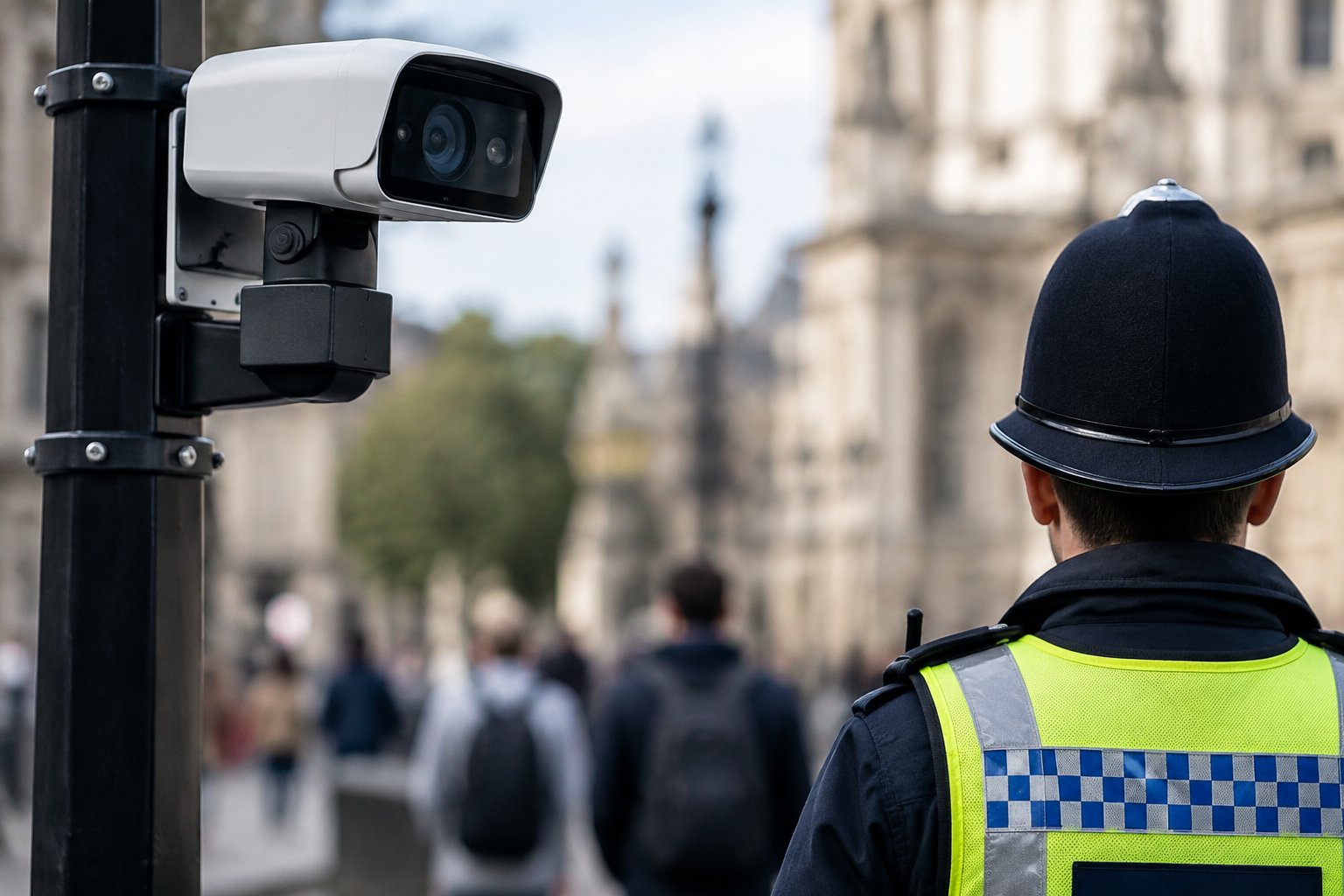
The UK Home Office announced plans on Wednesday, November 4, for stronger safeguards on police use of facial recognition technology. The proposed measures include a new independent watchdog, mandatory rigorous and independent testing for bias related to age, gender or race, and a specific law requiring police use to be intelligence-led and proportionate. The plans cover police use of the technology, with separate rules also proposed for businesses using it to tackle crime.
What the government plans
According to the Home Office announcement, a new independent watchdog would oversee police use of current and future technologies. It would advise on standards, scrutinise use and recommend action to ministers on emerging technologies and risks. If a force failed to comply with regulations, the watchdog could pursue enforcement action that might result in a court injunction preventing use.
The government says future law will require technologies used by law enforcement to be rigorously and independently tested for bias or discrimination based on age, gender or race. A specific law would also require police facial recognition to be “intelligence led and proportionate”: officers should use it only when they believe wanted people could be present in an area.
The government plans to develop a legal code of practice for police in consultation with the new regulator. It also intends to create a separate legal code for private-sector use, including by shops using facial recognition to tackle crime. The government says such business use should be responsible and complementary to law enforcement efforts.
The Police Professional reported the same proposed safeguards and described the watchdog’s potential enforcement powers. The measures follow a public consultation which, the Home Office says, found support for facial recognition and its effectiveness in catching offenders, alongside a need for stronger safeguards over how widely it is used.
Why the proposal matters to camera and analytics users
Facial recognition is a form of biometric analysis: software compares a face captured in an image or video with other facial data to help identify a person. These proposals concern the rules and oversight around that use, not a general authorisation to deploy cameras wherever an operator chooses. The intelligence-led and proportionate test would make the stated purpose and circumstances of police use central to the proposed legal framework.
For security integrators, system administrators and businesses considering facial recognition, the planned private-sector code is also relevant. It signals that the government intends to address commercial deployments separately from police use. The announcement does not set out the code’s detailed requirements, so it should not be treated as a finished compliance checklist.
The Home Office says a new algorithm for retrospective facial recognition has been independently tested and will be available for police forces to roll out from next year. It describes that algorithm as “highly accurate and without bias.” That is the government’s claim about a particular algorithm; it does not establish that every facial recognition system performs equally across conditions or populations. The announcement also says the algorithm used in government-funded live facial recognition vans has already been independently tested.
Evidence and context cited in the announcement
To explain the case for the technology, the Home Office cited a static live facial recognition camera pilot in Croydon that ran between October 2025 and March 2026. It said the pilot led to 173 arrests, including suspects wanted for rape, kidnapping and sexual assault. The Metropolitan Police Service reported a 10.5% fall in overall crime in the area compared with the previous year and a 21% decrease in offences linked to violence against women and girls.
The Home Office also said police used facial recognition to support the management of registered sex offenders at this year’s Notting Hill Carnival. Police stopped 86 registered sex offenders; seven were arrested after being found in breach of civil orders or notification requirements. These examples are part of the government’s stated case for use, while its consultation also identified a need for stronger safeguards.
The announcement says legal requirements already apply to facial recognition, but are spread across what the Home Office calls a “vast patchwork system.” It follows earlier investment intended to triple the number of live facial recognition vans available to police forces in England and Wales. The proposed rules therefore come alongside continued operational use and planned expansion, rather than replacing the technology with a new system.
What to watch next
The next steps described by the government are establishing the watchdog and developing the police and private-sector codes of practice. The announcement does not provide a date for those steps to take effect. Until the proposed rules are developed, readers assessing a deployment should distinguish the announced plans from requirements already in force and check the Home Office’s official updates for the current position.
For organisations evaluating facial recognition, the practical questions raised by the proposals include what specific use is intended, what evidence supports the system’s performance, how testing addresses age, gender and racial bias, and what oversight applies. The announcement sets out the direction of policy, but the detailed standards and rules are still to be developed.
Source: gov.uk