
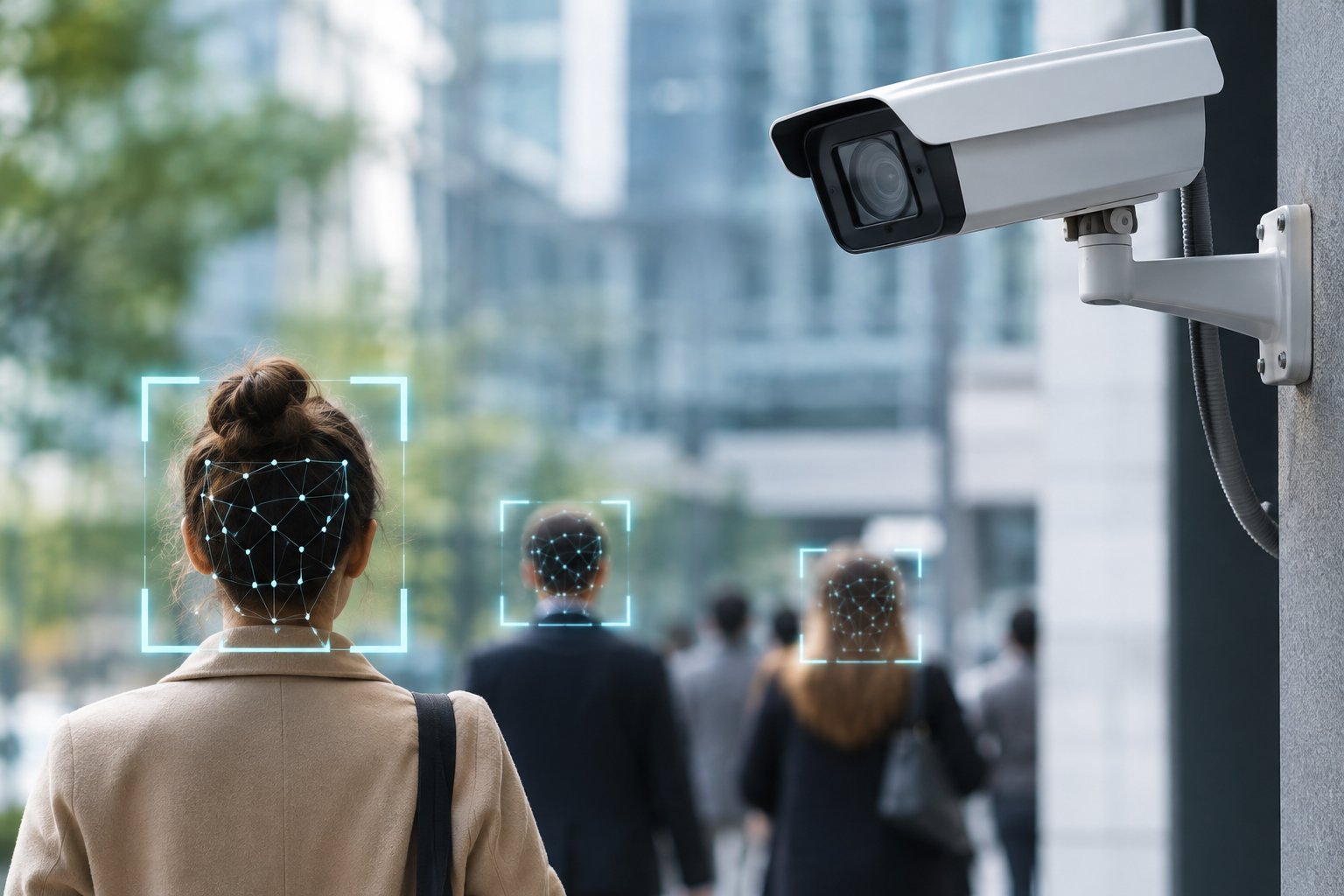
The UK government announced plans on 4 November for a new biometrics regulator and a separate legal code of practice for private-sector organisations using facial recognition and similar systems. Pinsent Masons reported the proposal on 6 November, saying the regulator would focus on law-enforcement use of biometric technologies and contribute to developing the private-sector code.
What the proposal would cover
According to Pinsent Masons, the government’s announcement includes establishing a new biometrics regulator focused on overseeing law-enforcement use of biometric technologies. The regulator would also contribute to a different piece of work: developing a legal code for private-sector organisations that use facial recognition and similar systems.
The government expects businesses using facial recognition to tackle crime, including retailers, to follow the framework. Its stated aim is to support responsible use and bring greater consistency between applications in the public and private sectors. At the same time, the government has emphasized that the code will recognize that businesses and law-enforcement agencies operate in different legal and operational contexts.
The distinction matters for anyone choosing or operating video systems. Facial recognition is not simply a camera recording or streaming images: it involves biometric technology used to identify or otherwise process people’s facial information. The proposal concerns a framework for this kind of use, not a general code for every security camera or webcam.
Why it matters to camera operators
For retailers and other businesses considering facial recognition for crime prevention, the announcement signals that a dedicated framework is planned. But the announcement does not, as reported by Pinsent Masons, set out detailed operating rules, a start date or the final form of the code. Businesses should distinguish the government’s stated expectation from requirements in a code that has yet to be described in detail.
The legal questions can also arise before a system is installed. Malcolm Dowden, a data protection expert at Pinsent Masons, said biometric data used to identify an individual is highly likely to be “special category” data under data protection law. He identified the need for an appropriate lawful basis and additional conditions for processing, as well as rigorous tests of necessity and proportionality.
For a small business, integrator or system administrator, those points make the purpose and deployment context important parts of the decision. A camera system used to record an area is not automatically the same as a system that processes faces to identify people. Before selecting or configuring an identification system, operators can use the issues raised in the report as prompts for review: what the system is intended to do, what biometric processing it involves, and how the proposed use will meet applicable data-protection requirements. The report does not provide a complete legal checklist, so these points should not be treated as a substitute for advice on a specific deployment.
Clear and practical focused codes of practice would materially help businesses to access the benefits and efficiency gains stemming from these technologies while reducing the risk of breach and regulatory enforcement actions.
Context: biometric uses and calls for safeguards
Pinsent Masons places the proposal in the context of biometric technologies being used or explored in a widening range of settings. It notes facial recognition applications such as site access controls, account security and crime prevention, alongside newer forms of biometric monitoring beyond traditional security.
One example in the report is a World Rugby fan-engagement study using biometric sensors to assess supporters’ physical responses to match moments. Initially, the study focuses on people watching matches at home; it could later expand to fans attending fixtures in person. The stated aim is to identify which moments generate the strongest reactions, with potential uses in understanding audience engagement and informing competition formats, broadcast production and the matchday experience. This is an example of biometric monitoring, not a report that the study uses facial recognition.
Views on the proposed private-sector framework differ. The Ada Lovelace Institute welcomed the plans but argued that the code should be mandatory and called for clear legal thresholds for facial recognition outside law enforcement. Industry body techUK said clear and consistent regulation would be important to public confidence and responsible adoption.
What to watch next
The next useful details for businesses will be the code’s scope, whether it will be mandatory, and how its expectations will apply across different private-sector uses. The report gives no publication or implementation date, and it does not resolve the questions raised by the Ada Lovelace Institute about mandatory status and legal thresholds.
Until further details are announced, organisations planning facial-recognition deployments can keep the proposed framework separate from rules already applicable to their own data processing. They should establish what their system is designed to do and consider the data-protection issues identified by Dowden, including lawful basis, additional processing conditions, necessity and proportionality. When the government publishes further information, businesses will need to check the final code and its scope against their particular use. The proposal’s status and any later requirements should be confirmed through official UK government material.
Source: pinsentmasons.com